
University Administration
Board of Trustees
The Board is generally responsible for all scientific, educational, and research affairs at the University.
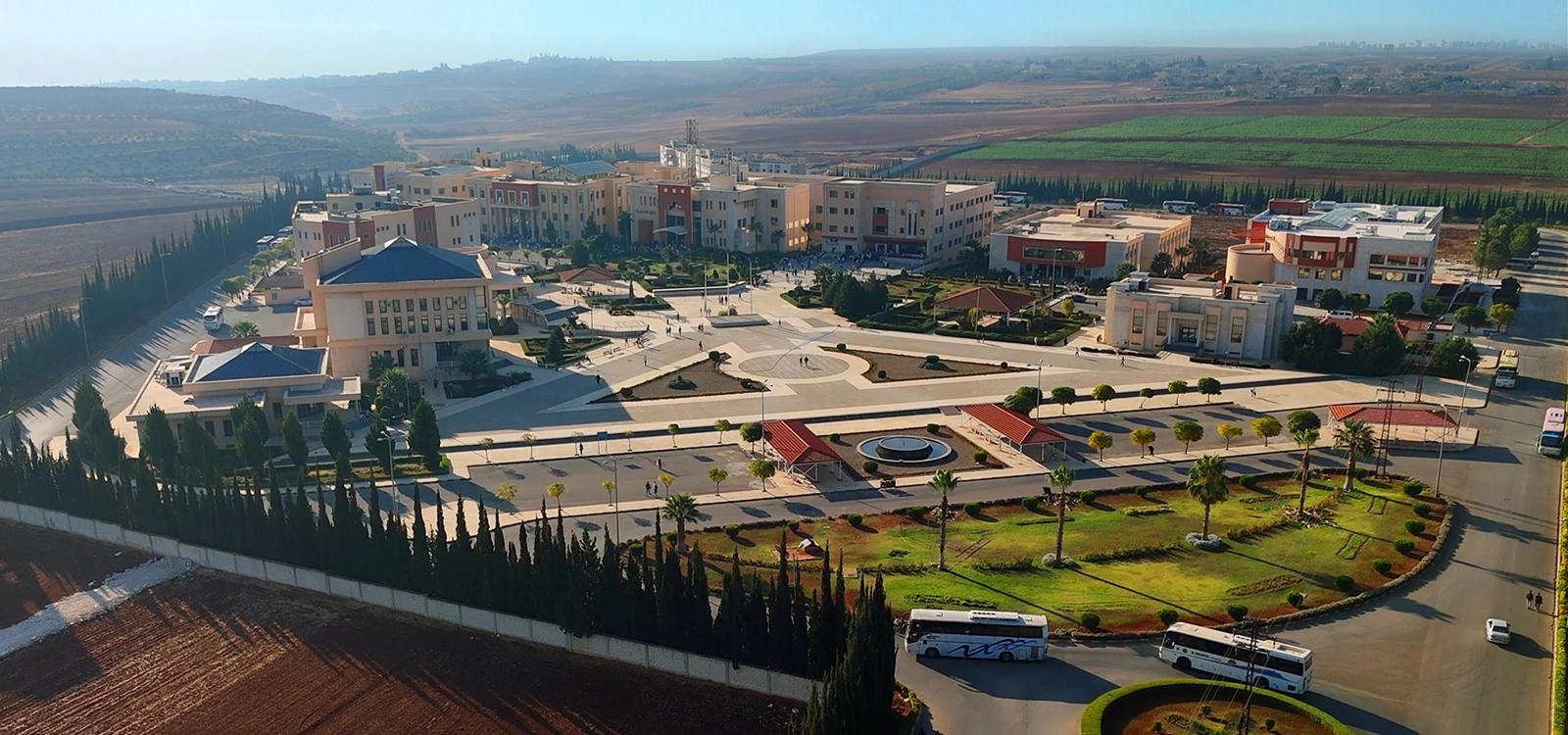
Al-Wataniya Private University
Duties, Authorities, and Responsibilities
The Board undertakes the following duties, authorities, and responsibilities:
- Implementing the general policy of the University by designing and organizing education, research, and training programs, and by developing plans that ensure the provision of adequate resources to achieve this.
- Developing plans for the construction of buildings and for the completion and development of laboratories, equipment, and libraries at the University.
- Proposing the internal regulations of the University and the internal bylaws of its faculties and institutes.
- Approving the appointment of teaching staff members and their transfer within the University, establishing regulations for contracting with them and dispatching them, determining their compensations and rewards, and addressing all other matters related to their work.
- Proposing the salary scale of University teaching staff members to the Board of Trustees.
- Establishing the rules for selecting deans, vice deans, and heads of departments.
- Proposing student admission requirements and determining the number of admitted students to the Board of Trustees, provided that this does not conflict with the rules approved by the Higher Education Council.
- Organizing matters related to scholarships and various academic awards in accordance with the decisions of the Board of Trustees.
- Determining the academic calendar, particularly the start and end of teaching in each semester, examination dates, approval of results, and holidays for students and teaching staff.
- Proposing the suspension of teaching in certain faculties and specializations.
- Awarding academic degrees.
- Proposing the acceptance of donations received by the University through endowments, wills, gifts, and other means from inside or outside the Syrian Arab Republic, and managing them in accordance with Syrian legislation to achieve the University’s objectives in a manner consistent with the interest of the state.
- Establishing the general policy for securing and organizing books, references, university periodicals, and electronic libraries.
- Establishing regulations for libraries, hospitals, museums, university housing, and other university facilities and activities.
- Proposing cooperation agreements with Syrian, Arab, and foreign universities, as well as Arab, regional, and international organizations, after obtaining the approval of the Higher Education Council.
- Considering any matter that the University President or any member of the Board of Trustees deems necessary to amend.
- Delegating some of the Board’s powers to the University President.
- Discussing the annual report on University activities, the draft annual budget, and the annual work plan for University projects before submitting them to the Board of Trustees.
Al-Wataniya Private University Board of Trustees
Members of the Board of Trustees at Al-Wataniya Private University.
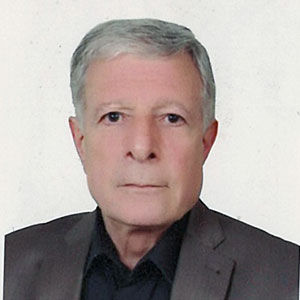 Chairman of the Board of Trustees
Prof. Dr. Mohammad Ali Al-Emadi
Chairman of the Board of Trustees
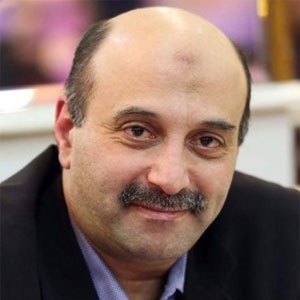 Vice Chairman of the Board of Trustees
Dr. Abdul Hamid Al-Mulqi
Vice Chairman of the Board of Trustees
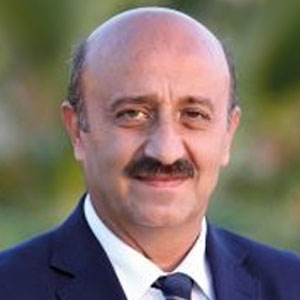 Member
Prof. Dr. Ahed Khazzam (University President)
(Member)
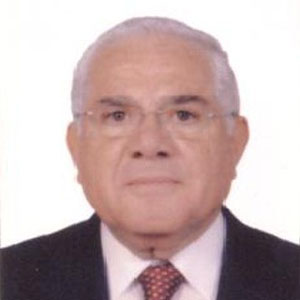 Member
Mr. Mohammad Samir Al-Barazi
(Member)
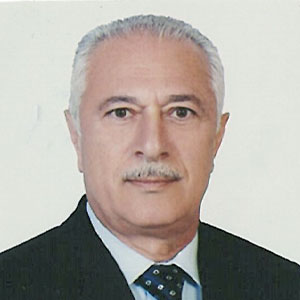 Member
Prof. Dr. Kanjo Kanjo
(Member)
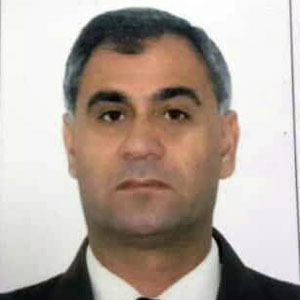 Member
Prof. Dr. Dirgham Yousef Al-Rahhal
(Member)
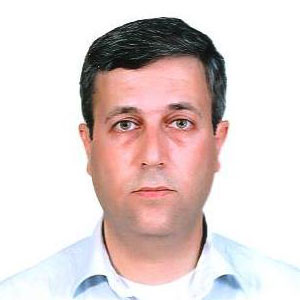 Member
Prof. Dr. Hassan Halabiyeh
(Member)
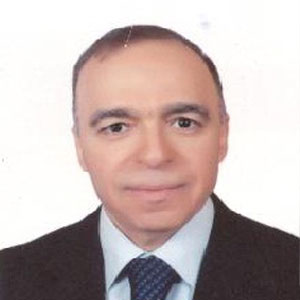 Member
Prof. Dr. Mohammad Mustafa Al-Fadel
(Member)
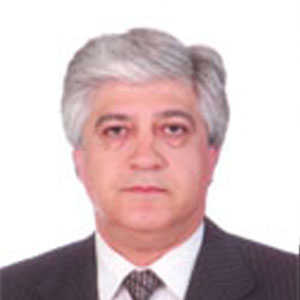 Member
Mr. Abdul Latif Al-Habbal
(Member)
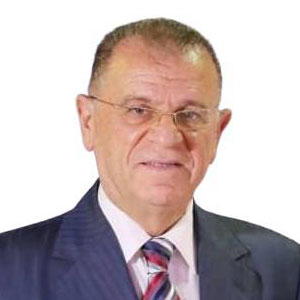 Member
Prof. Dr. Safwan Al-Assaf
(Member)
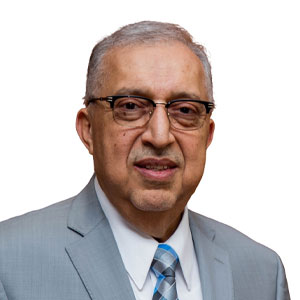 Member
Prof. Dr. Abdul Rahim Al-Sabouni
(Member)
Professor Dr. Mohammad Al-Emadi
Chairman of the Board of Trustees
Dr. Abdulhamid Al-Mulki
Vice Chairman of the Board of Trustees
Prof. Ahed Khuzam (University President)
(Member)
Mr. Muhammad Samir Al-Barazi
(Member)
Prof. Kanjo Kanjo
(Member)
Prof. Dergham Youssef Al-Rahhal
(Member)
Prof. Hassan Halabiya
(Member)
Prof. Muhammad Mustafa Al-Fadil
(Member)
Mr. Abdullatif Al Habbal
(Member)
Prof. Safwan Al Assaf
(Member)
Prof. Abdul-Rahim Sabouni
(Member)