
الجامعـــة الوطنيـــة الخاصـــة
Al-Wataniya Private University

- Students of the Faculty of Architecture and Urban Planning Scientific Visit to Old Homs City
- The Future of the Job Market for Information Engineering Graduates A distinguished academic day organized by the Faculty of Engineering at Al-Wataniya Private University
- Faculty of Architecture and Urban Planning Holds Students’ Graduation Projects Defense First Semester of the Academic Year 2025–2026
- Al-Wataniya Private University participates as a Silver Sponsor of the First International Engineering Conference on Artificial Intelligence–Supported Education at the Applied College — Hama University
- Child Care Association Hosts Down Syndrome Youth Handicraft Exhibition Exclusively hosted by Al-Wataniya Private University
- Dr. Walid Sahyouni participated in the second meeting of the Advisory Council of the Arab Network for Quality Assurance in Higher Education
- Discussion of graduation projects of Faculty of Administrative Sciences students For the first semester of the academic year 2025–2026
- Discussion of Pharmacy College Students’ Graduation Projects First Semester of the 2025–2026 Academic Year
- Internship Effectiveness at the Faculty of Pharmacy Applying Pharmaceutical Expertise in the Labor Market
- Regular meetings between the presidency of Al-Wataniya Private University and the Faculties of Dentistry, Architecture and Urban Planning
Students of the Faculty of Architecture and Urban Planning Scientific Visit to Old Homs City
Old Homs City — Homs Governorate
9 April 2026
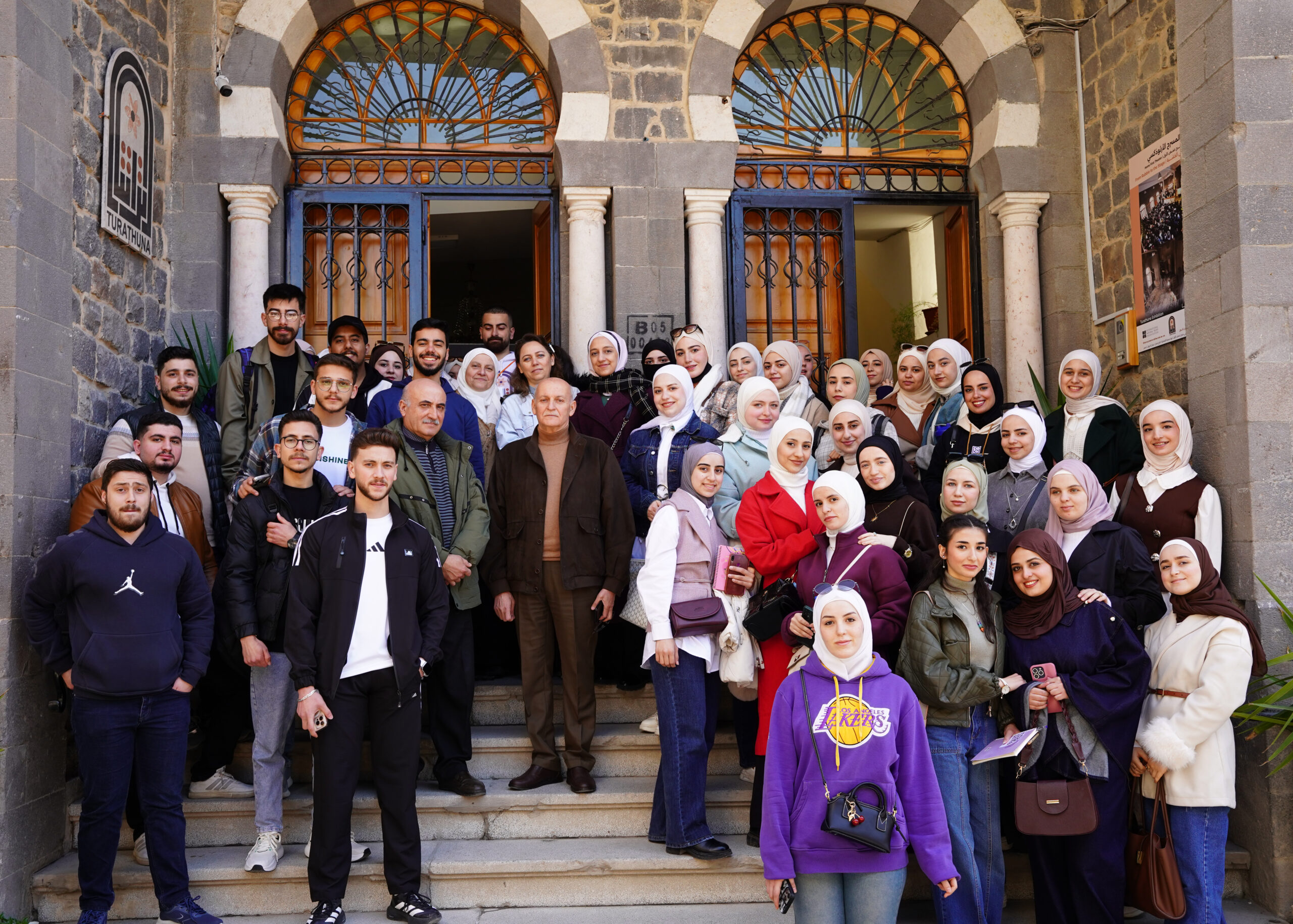
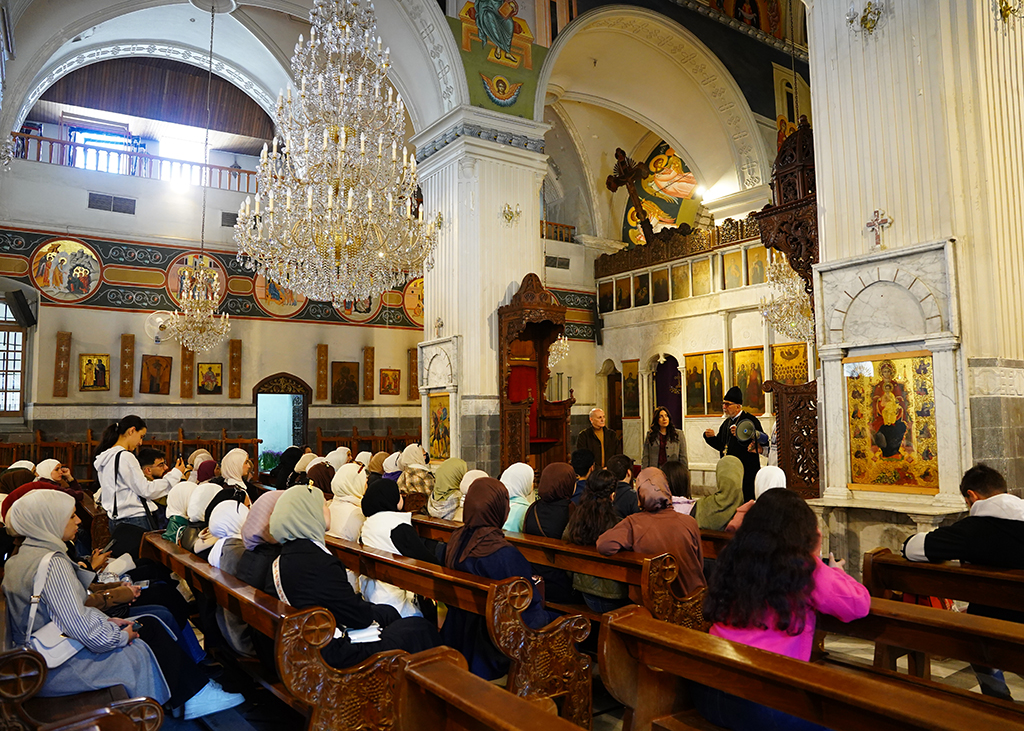
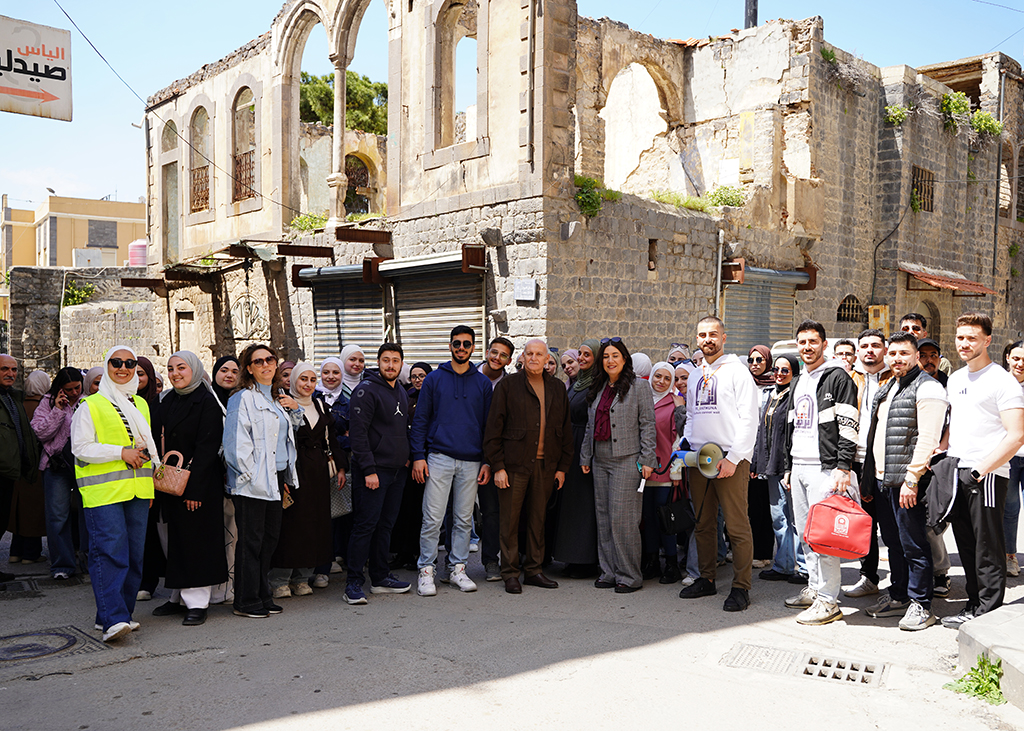
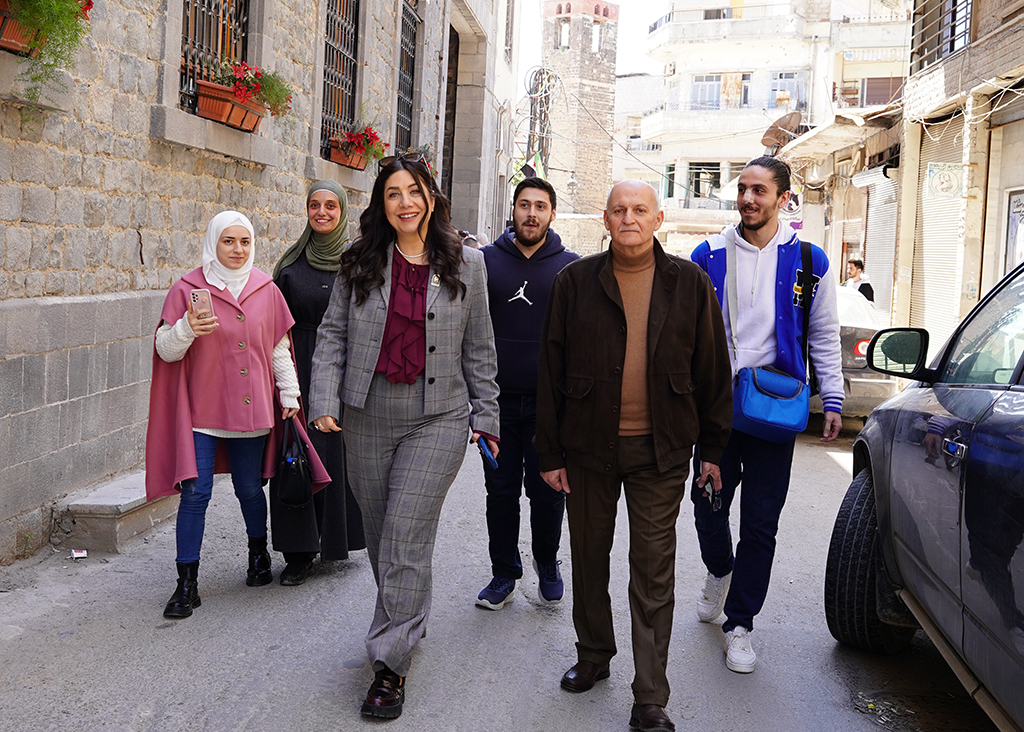
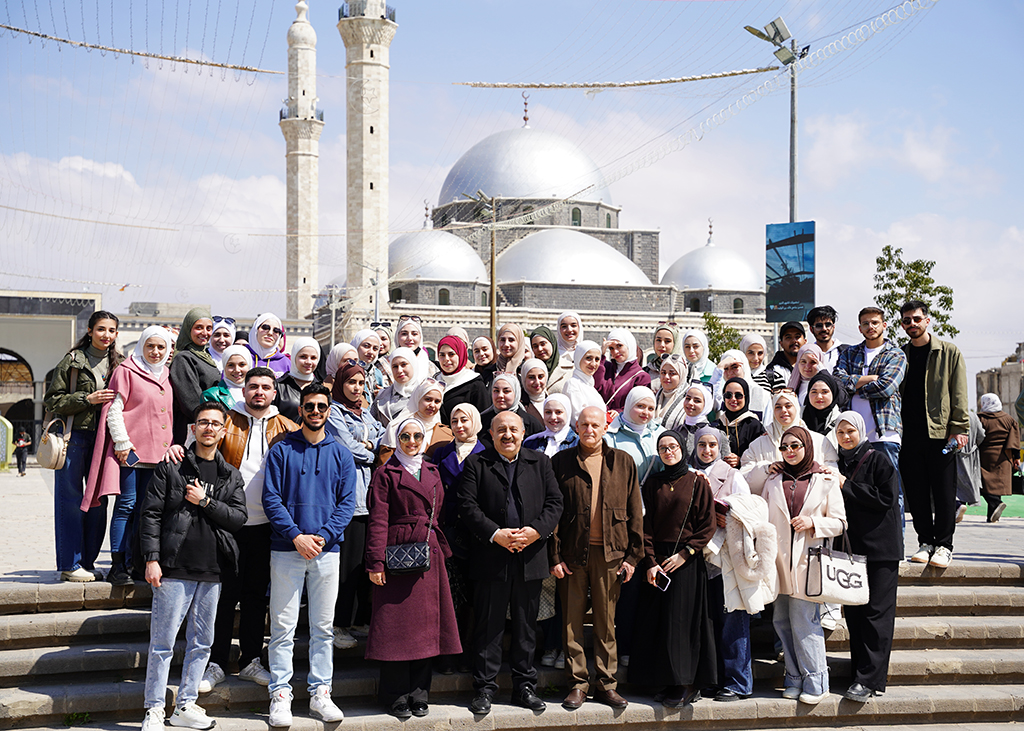
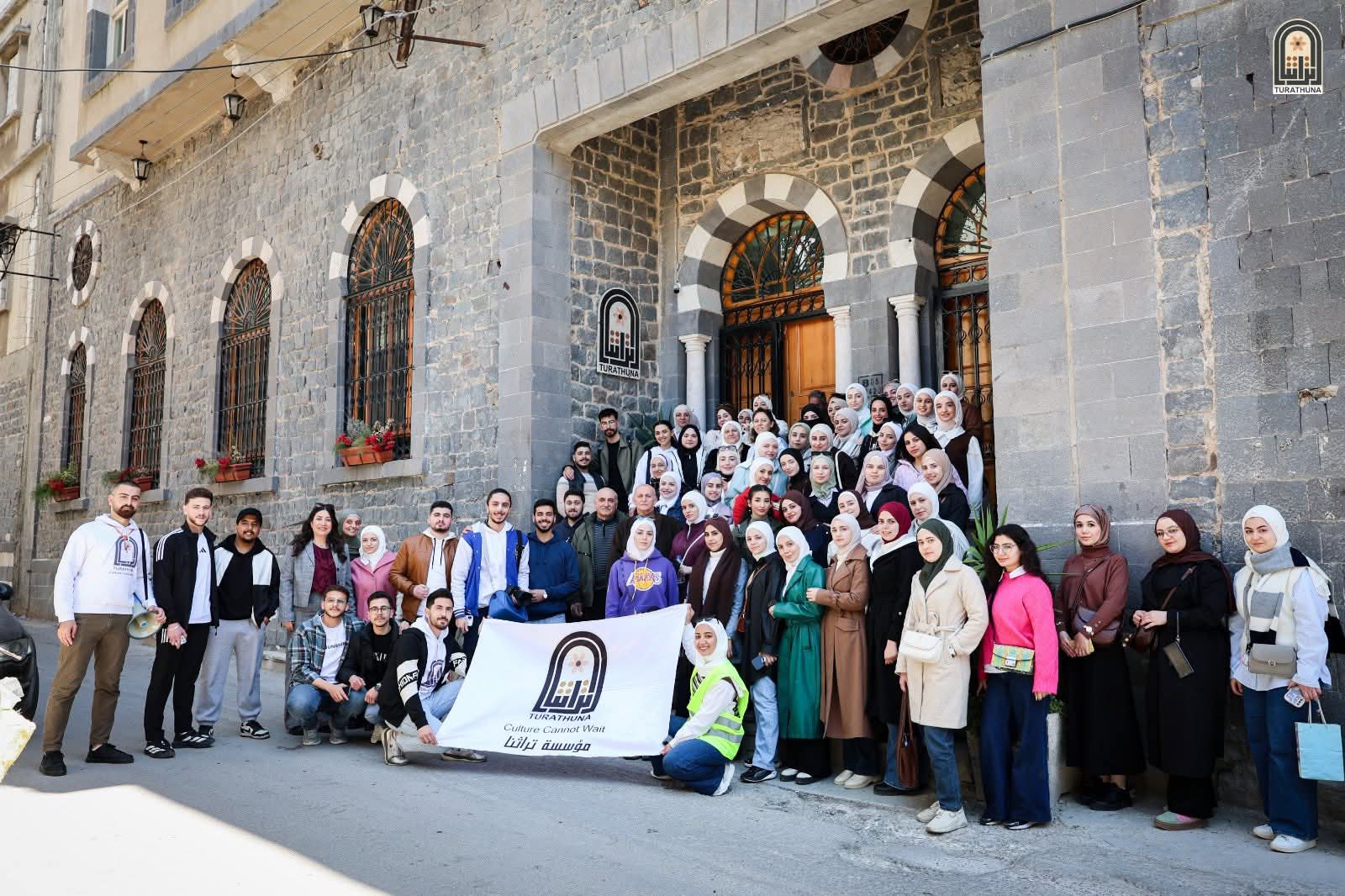
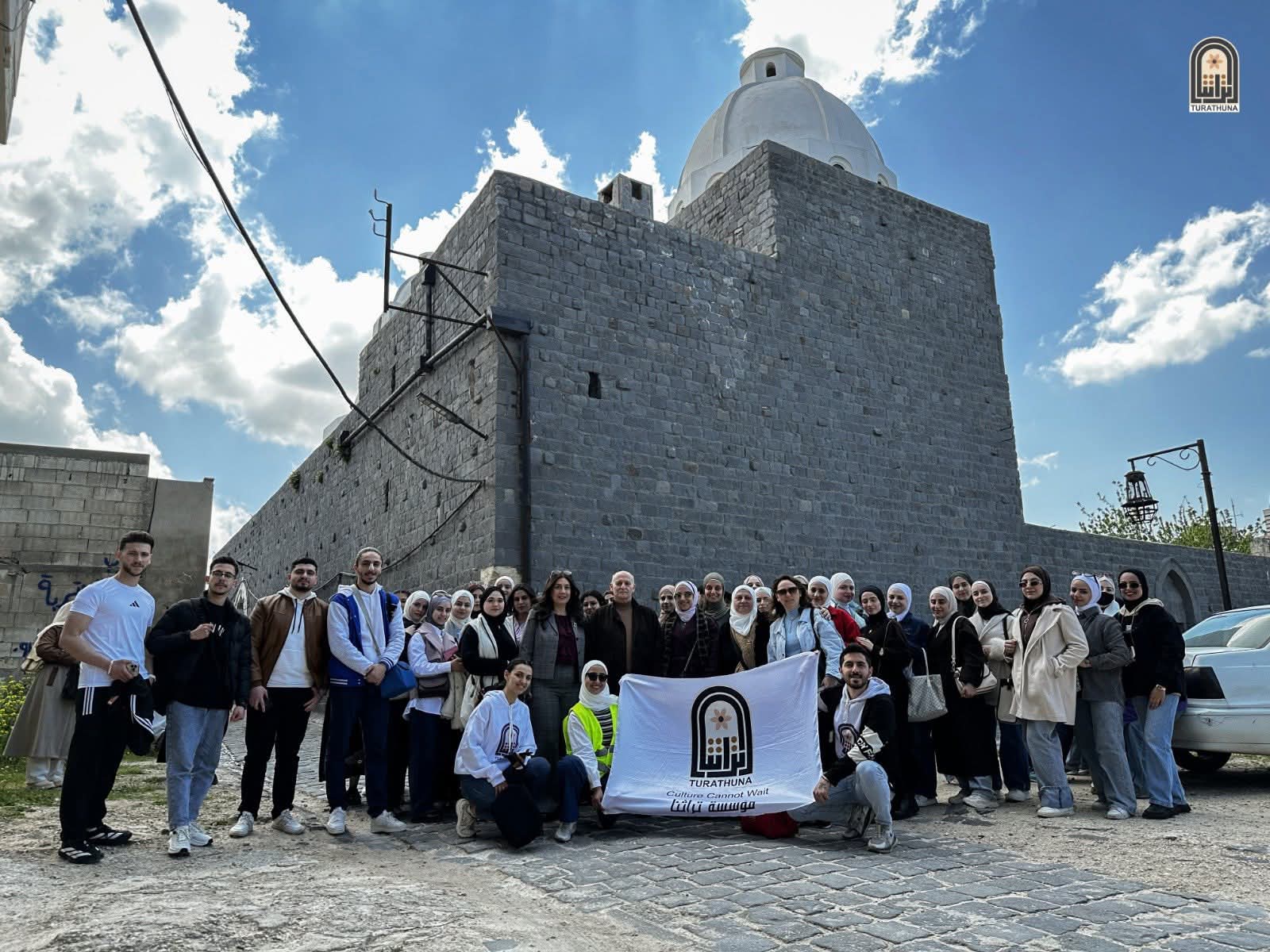
The Faculty of Architecture and Urban Planning organized a scientific visit to Old Homs City in cooperation with Our Heritage Foundation on Thursday, 9 April 2026, under the supervision of Prof. Dr. Ahed Khuzam, President of Al-Wataniya Private University, and Prof. Dr. Safwat Ibrahim Pasha, Dean of the Faculty of Architecture and Urban Planning, with the participation of 120 undergraduate students enrolled in the course Architectural Design VII.
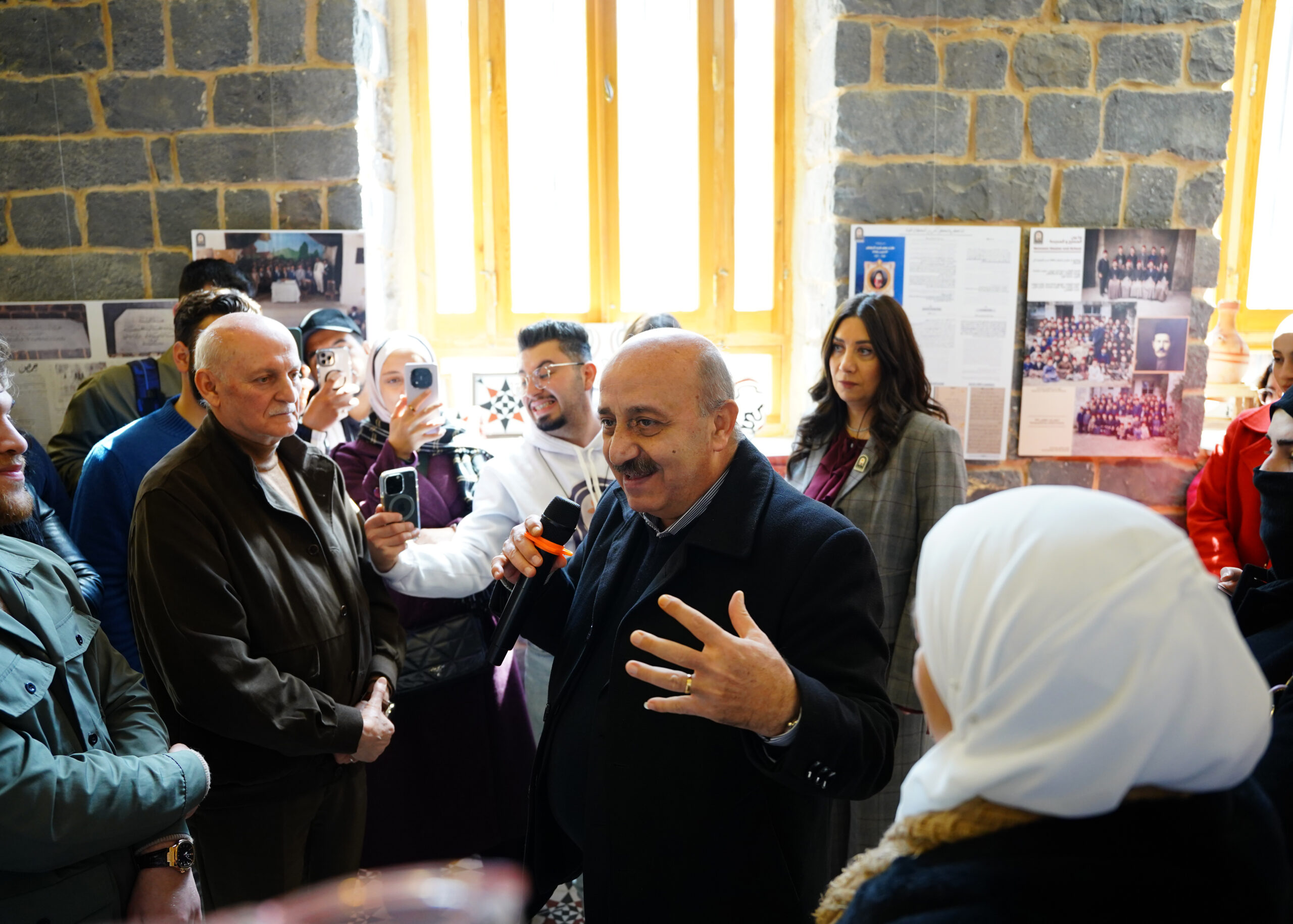
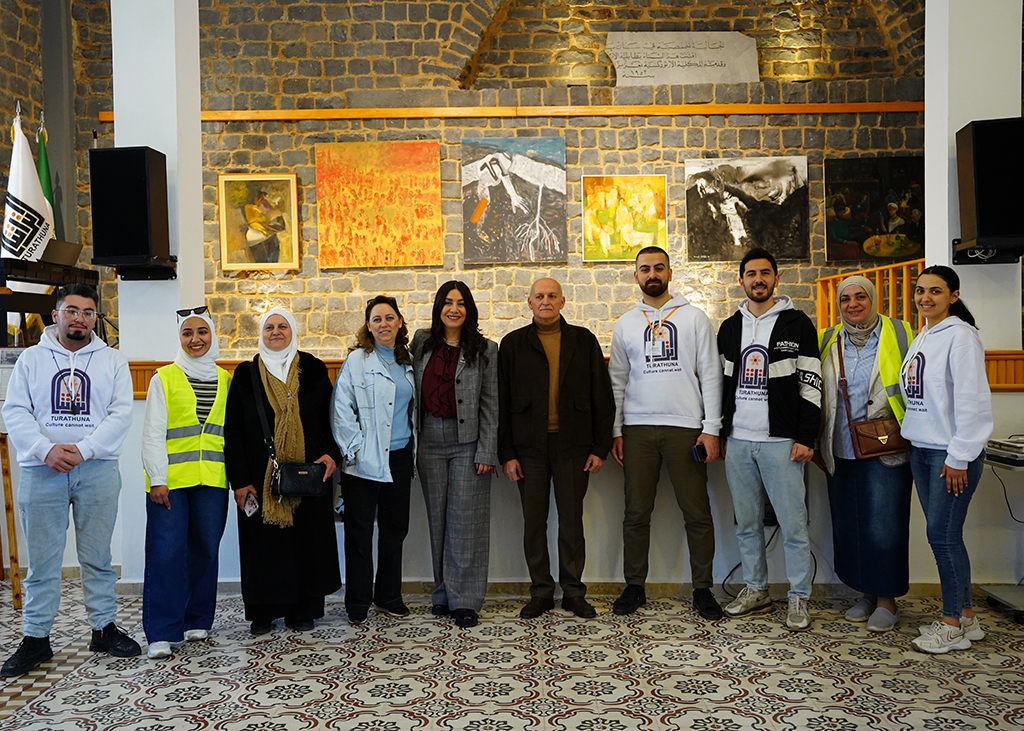
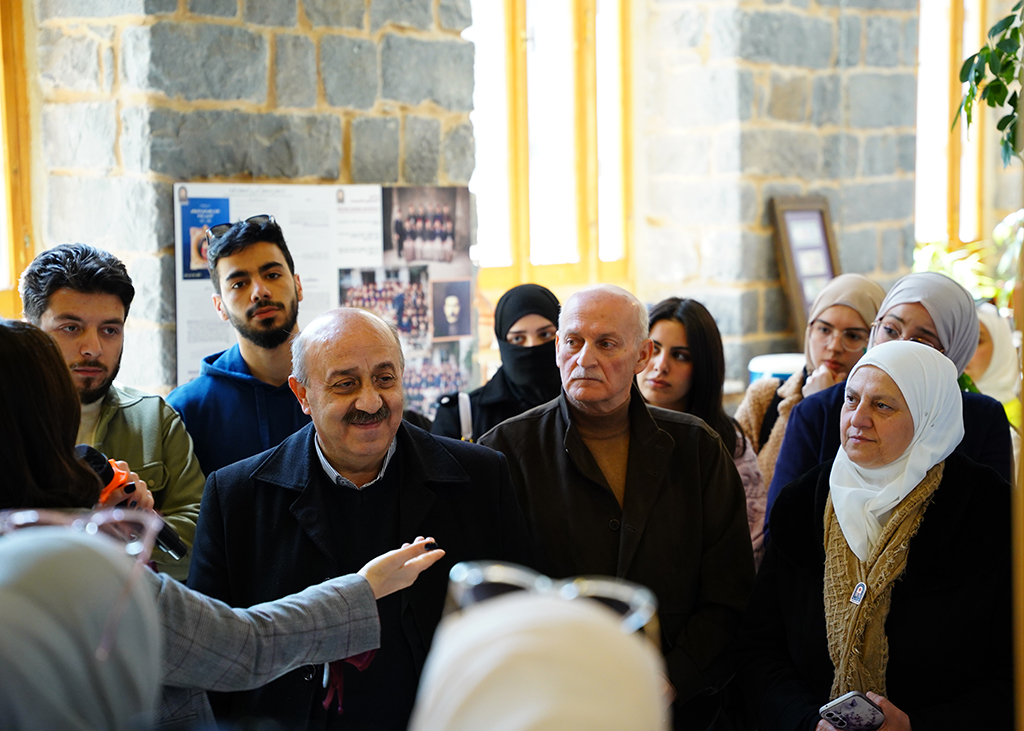
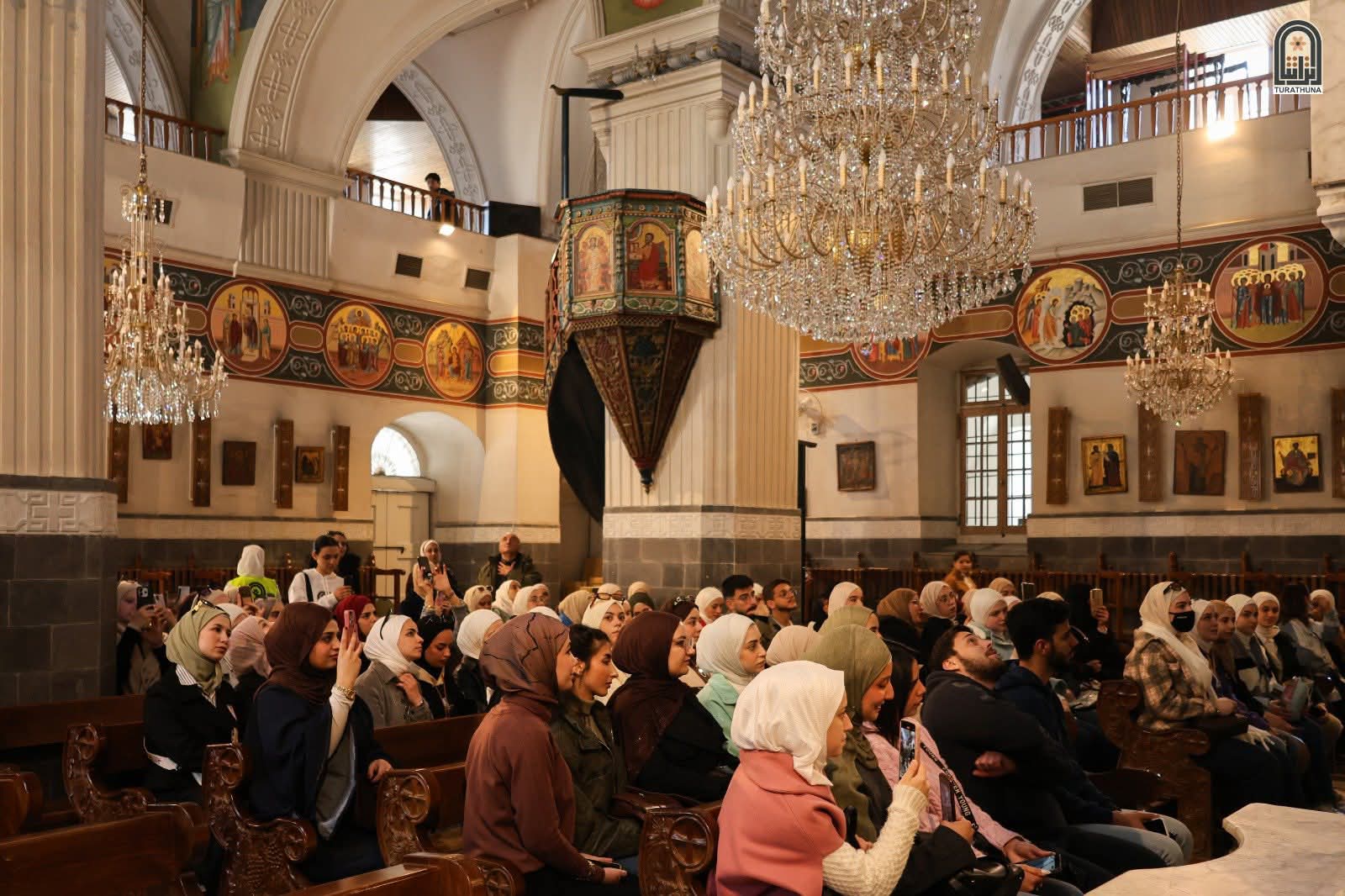
The scientific visit commenced at the Orthodox Theatre, located in the heart of Old Homs City—in the Bastan al-Diwan neighborhood—where Dr. Lama Aboud, Director of Our Heritage Foundation, delivered an extensive briefing to the students on the theatre’s pre-war condition and the severe damage sustained by its structure due to the war. Students learned about the successive phases of its restoration and visited the exhibition “From Rubble to Stage.”
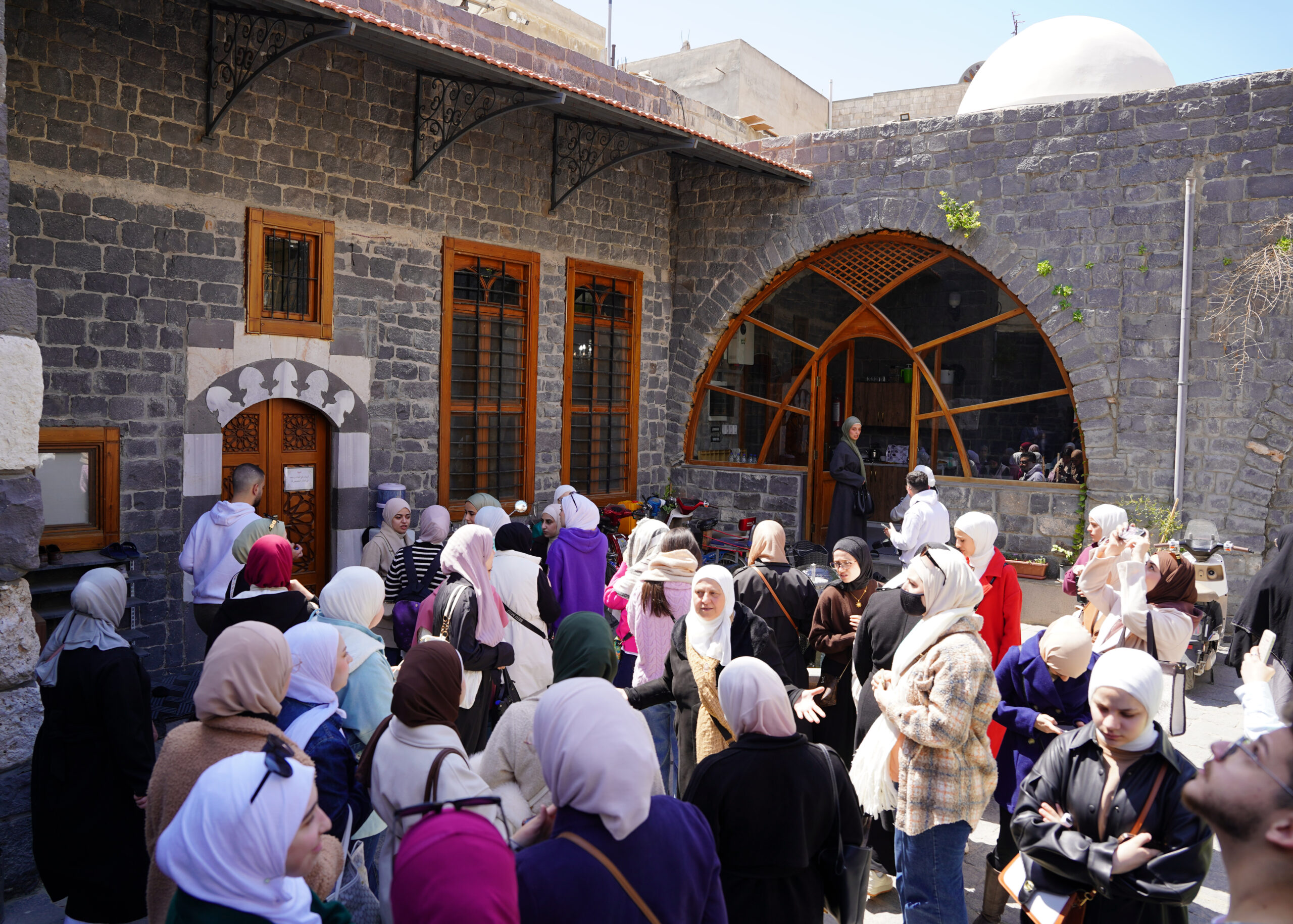
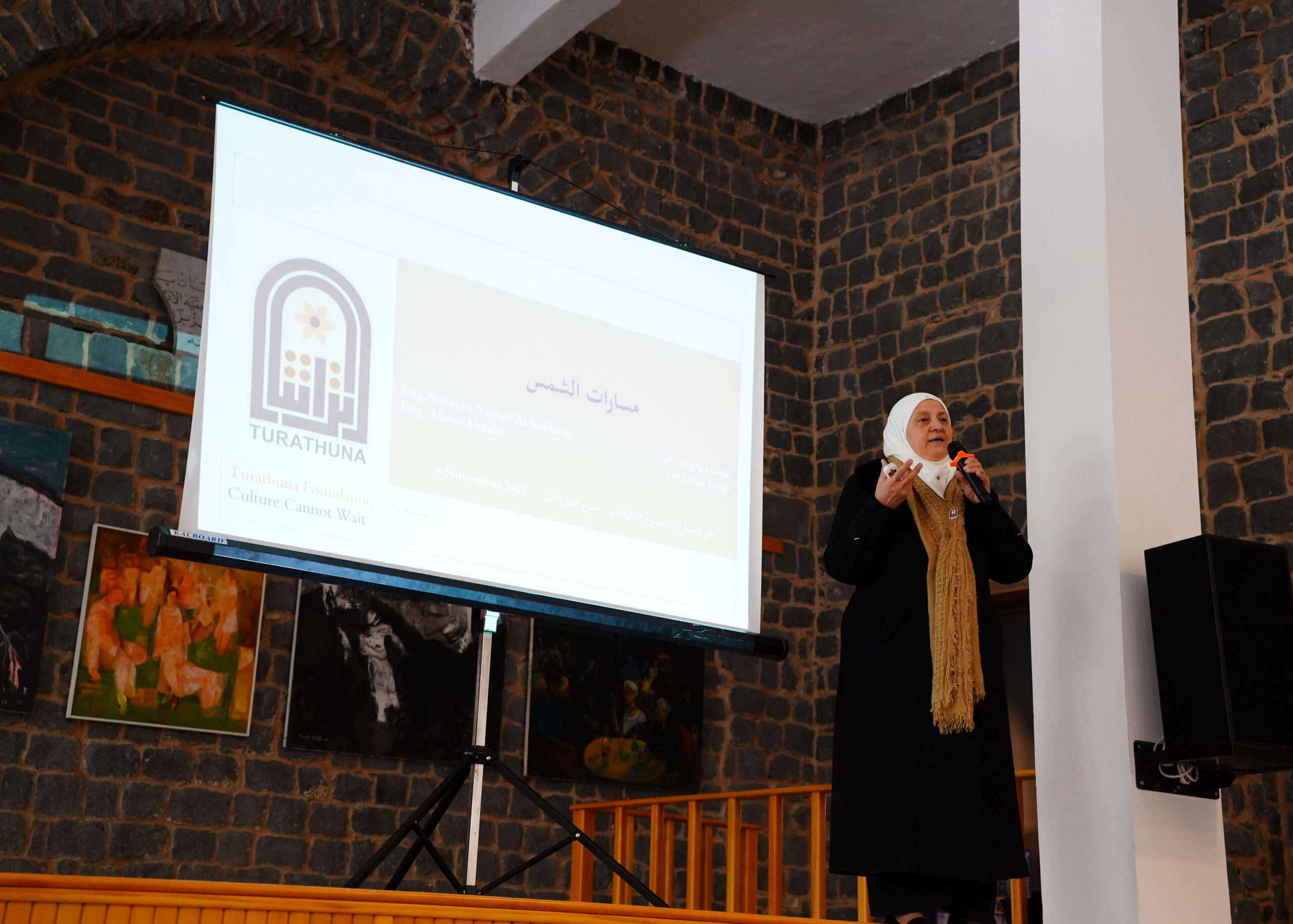
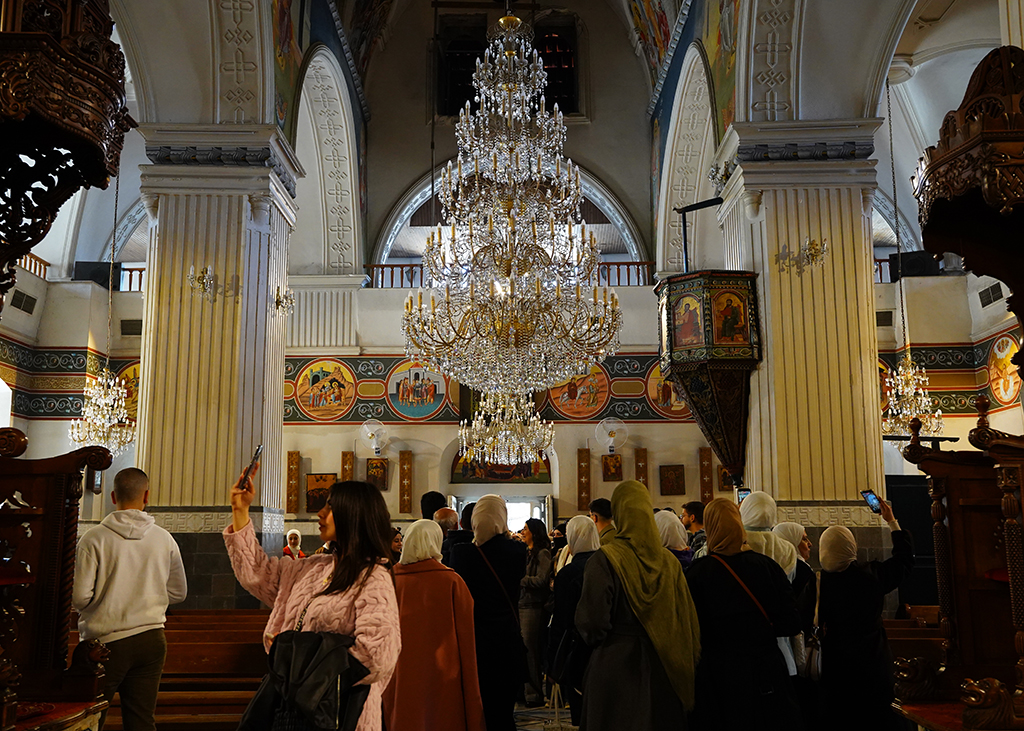
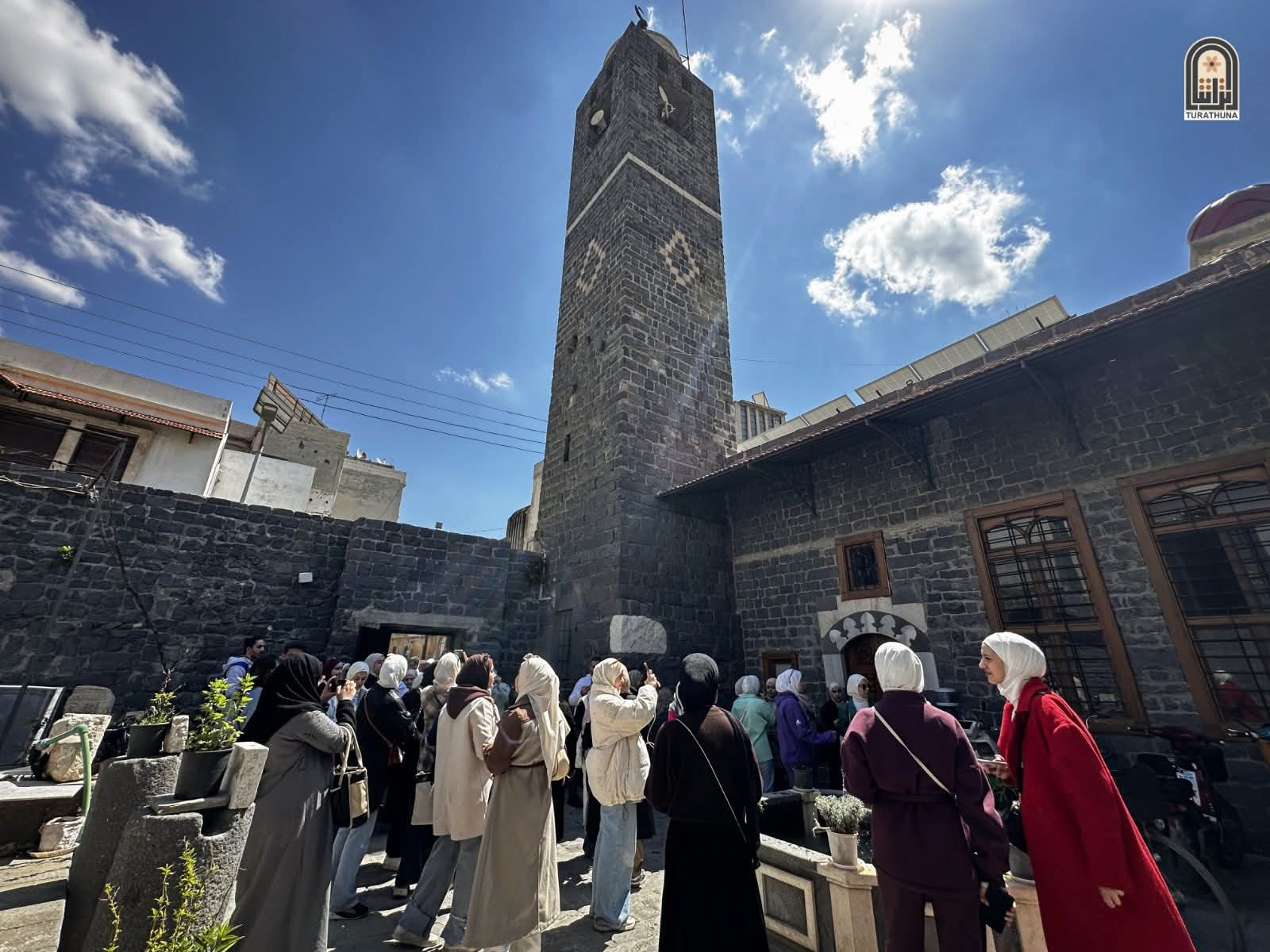
Following the “Sun Trail” route, students proceeded to visit several historic landmarks in Old Homs City. Engineer Nazeha Qabani, a member of the Board of Trustees of Our Heritage Foundation, presented architectural and historical overviews to the architecture students on key monuments and their urban evolution, including:
- The Cathedral of the Forty Martyrs
- Al-Fadilah Mosque
- Al-Sarraj Mosque
- Al-‘Aseebati Mosque
- Al-‘Aseebati Hammam (Bathhouse)
The visit also included Khalid ibn al-Walid Mosque—one of the city’s most prominent religious and historical landmarks—where students examined the mosque’s architectural features and the restoration works carried out on it. Additionally, they conducted a spatial analysis of the relationship between the built mass and its surrounding urban fabric, enabling deeper understanding of how to engage with heritage buildings within the existing urban context.
At the conclusion of the visit, students toured the Engineers’ Club to study its architectural design and learn about its main activities and events. This was followed by a walkthrough of its sports facilities, restaurants, and game halls, culminating in a visit to the outdoor swimming pool—an experience that left a positive impression and distinctive impact on the students, strengthening the integration and synergy between academic learning and field practice.
The scientific visit aimed to bridge theoretical knowledge with practical application, while enhancing students’ awareness of the importance of preserving urban heritage and rehabilitating it in accordance with contemporary standards. It reflects the vision and objectives of the Dean of the Faculty of Architecture and Urban Planning—to organize a series of purposeful scientific activities that develop students’ competencies, equip them with essential field experience, and familiarize them with real-world challenges confronting restoration and urban regeneration projects.
Al-Wataniya Private University
It was established in 2007 and includes six colleges:
for communication:
- Syria - Hama Governorate - International Road Homs-Hama
- 00963134589094
- 00963135033
- info@wpu.edu.sy
- Complaints form